
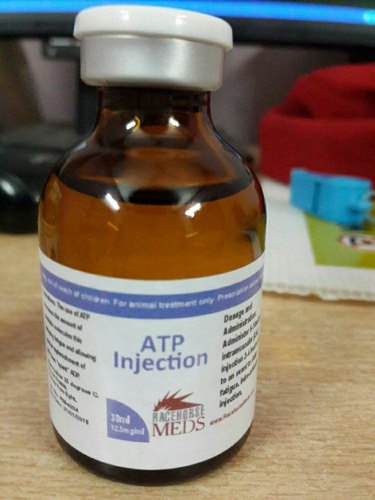
ATP injection
Original price was: $60.00.$55.00Current price is: $55.00.
ATP injection(Adenosine Tri-Phosphate) is utilized in the Kreb’s Cycle – which physiologically is one of the key providers of energy to muscle and other cells, especially during strenuous endurance work.
ATP injection(Adenosine Tri-Phosphate) is utilized in the Kreb’s Cycle – which physiologically is one of the key providers of energy to muscle and other cells, especially during strenuous endurance work.ATP injection
ATP injection Description
What is ATP INJECTION?
ATP injection(Adenosine Tri-Phosphate) is utilized in the Kreb’s Cycle – which physiologically is one of the key providers of energy to muscle and other cells, especially during strenuous endurance work. In the process of phosphorilization, a phosphate molecule is given up thereby providing energy in completion of the Kreb’s Cycle.
Dosage and Administration: Administer 5-10ml by intramuscular (I.M.) injection 2-4 hours prior to an event to delay fatigue. You can also therapeutically treat overly fatigued horses, post-race, with the same dosage as well as horses exhibiting shock symptoms due to toxemia.
Why use ATP injection?
The use of ATP INJECTION increases the amount of available molecules this delaying fatigue and allowing quicker replenishment of ATP INJECTION from “spent” ADP. A horse’s performance is dependent on a number of factors including health, nutrition and environmental temperature. Energy is defined as the capacity to do work. The amount of energy available for muscular work is the most important factor in a horse’s performance. Athletic performance requires the efficient utilization of extreme amounts of energy transformed by metabolic pathways from chemical to kinetic energy for muscle contraction. This kinetic energy is in the form of adenosine triphosphate… or ATP. The muscles are capable of storing limited amounts of ATP for muscle contraction, but all athletic events need a constant flow of this energy source. The way the horse creates more ATP is through the metabolism of fuel stores in the body. There are three main fuel sources utilized for the production of ATP in all athletes, including the horse. These include:
Carbohydrates Fats Proteins Carbohydrates are stored mainly in the muscles and liver as glycogen. Glucose is also present in the blood, and it contributes energy during initial exercise. Through a process called glycogenolysis, muscle and liver glycogen is broken down to produce ATP.
Fats are stored in the muscle and in adipose tissue as a complex called a triglyceride, which is made up of three fatty acids and one glycerol molecule. Lypolysis is the metabolic action of breaking the triglyceride into its smaller parts (three fatty acids + one glycerol) for ATP INJECTION production.
Proteins are the building blocks of the muscle structure. They are made up of amino acids linked together by different bonds. Overall, proteins contribute very little to the production of ATP INJECTION for work. Equine athletes are dependent on the production of ATP INJECTION to run, jump or pull. However, ATP INJECTION production is dependent on the muscle’s ability to utilize fuel stores in the body, which is dependent on oxygen availability. The two main ways that the muscle utilizes fuel stores are anaerobic and aerobic metabolism. Anaerobic metabolism is not dependent on oxygen to break down fuel stores and it provides a rapid means of producing a limited supply of energy. In the absence of oxygen only carbohydrates may be metabolized for ATP production. The end products of anaerobic metabolism are lactate and heat. Horses that utilize anaerobic metabolism usually have heart rates of greater than 150 beats per minute during exercise, meaning the intensity of the performance is high. Any event that lasts less than one minute at high intensities strictly uses anaerobic metabolism to produce ATP. Quarter Horses are capable of sprinting 400 yards in less than 20 seconds…a good example of muscles ATP INJECTIONhttps://kihorsemed.com/
Related products
-
Duphalyte 500ml
Original price was: $40.00.$35.00Current price is: $35.00.Add to cartDUPHALYTER Electrolyte, Energy substance, Amino Acid and Vitamin in solution for injection Laboratorio PFIZER, SA.
Pharmaceutical form: Solution for injection (Sol.i.) Composition per ml: Calcium chloride (dihydrate) 0.23 mg; magnesium sulfate (heptahydrate) 0.29 mg; potassium chloride 0.20 mg .; dextrose 45.46 mg; arginine (hydrochloride) 25 ƒÊg; cysteine (hydrochloride monohydrate) 0.01 mg; Phenylalanine 0.03 mg; glutamic acid (sodium salt monohydrate) 0.04 mg; histidine (hydrochloride monohydrate) 0.01 mg;isoleucine 0.01 mg; leucine 0.04 mg; lysine (hydrochloride) 0.03 mg; methionine 0.01 mg; threonine 0.02 mg; tryptophan 0.01 mg; valine 0.05 mg; cyanocobalamin 0.05 ƒÊg; dexpanthenol 0.05 mg; nicotinamide 1.50 mg; pyridoxine hydrochloride 0.10 mg;riboflavin 0.04 mg; thiamine 0.10 mg.
Pharmacological properties General characteristics: The product provides a correct balance between water, minerals, vitamins and amino acids, in those animals lacking any of these compounds.Interactions and incompatibilities: None known.
Indications and target species: Birds: Dehydration and convalescence.
Pigs, Bovine and Equine: Dehydration, anorexia, bacterial enteritis and convalescence.
Dogs and Cats: Dehydration, anorexia, bacterial enteritis, vomiting and convalescence.
Product, in general, also recommended as support therapy in animals weakened by electrolyte imbalance and hypoproteinemia; in cases of incompetence, surgical operations, hemorrhages, excessive sweating, vascular shocks, exhaustion, weight loss, fever, inflammation of the digestive tract, and before transport, in all pets.Contraindications: None known.
Side effects: Intravenous administration too quickly can cause nausea, vomiting and general malaise. If this happened, it would be enough to interrupt the application until the animal returned to its normal state and then continue the administration at a lower speed.
Intravenous administration route slow, intraperitoneal or subcutaneous.
– Slow intravenous: pigs, cattle, horses, dogs and cats.
– Intraperitoneal: pigs and cattle.
– Subcutaneous: birds (at the back of the neck), pigs, cattle, dogs and cats.
It is recommended to use sterile syringes and inject the preparation at body temperature.Dosage: Poultry: 10 ml / kg pv In 1-day-old chicks: 0.5 ml / chick.
Pigs, Cattle and Equine: Adult animal: 20 ml / 10 kg pv Young animal: 60 ml / 10 kg pv
Dogs and Cats: 10 ml / kg pv
Administration may be repeated as many times as necessary.Waiting time: Not accurate.
Conservation mode Store in a cool, dry place and protected from light.Observations: With veterinary prescription.
Presentation Bottles with 500 ml.

Top rated products
-
 Camgest E
Original price was: $80.00.$65.00Current price is: $65.00.
Camgest E
Original price was: $80.00.$65.00Current price is: $65.00.
-
 Lung Effect Paste
Original price was: $20.00.$15.00Current price is: $15.00.
Lung Effect Paste
Original price was: $20.00.$15.00Current price is: $15.00.
-
 BIO BLOCKER 100ML
Original price was: $145.00.$135.00Current price is: $135.00.
BIO BLOCKER 100ML
Original price was: $145.00.$135.00Current price is: $135.00.
-
 Vime-ATP
Original price was: $60.00.$50.00Current price is: $50.00.
Vime-ATP
Original price was: $60.00.$50.00Current price is: $50.00.
-
 Dexaruzth
Original price was: $60.00.$45.00Current price is: $45.00.
Dexaruzth
Original price was: $60.00.$45.00Current price is: $45.00.
On Sale
-
 Equi Dexaphen
Original price was: $65.00.$55.00Current price is: $55.00.
Equi Dexaphen
Original price was: $65.00.$55.00Current price is: $55.00.
-
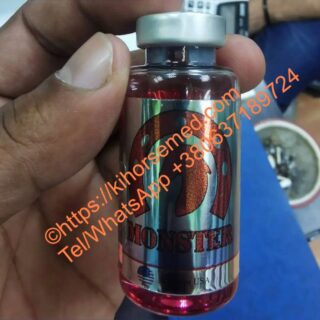 Monster
Original price was: $60.00.$50.00Current price is: $50.00.
Monster
Original price was: $60.00.$50.00Current price is: $50.00.
-
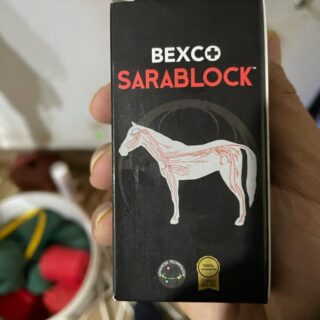 Sarablock
Original price was: $50.00.$45.00Current price is: $45.00.
Sarablock
Original price was: $50.00.$45.00Current price is: $45.00.
-
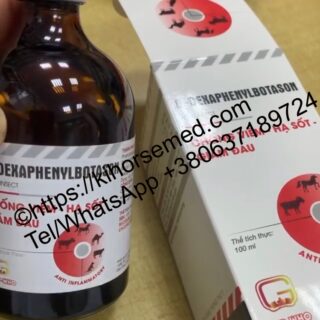 G-dexaphenylbotason
Original price was: $45.00.$40.00Current price is: $40.00.
G-dexaphenylbotason
Original price was: $45.00.$40.00Current price is: $40.00.
-
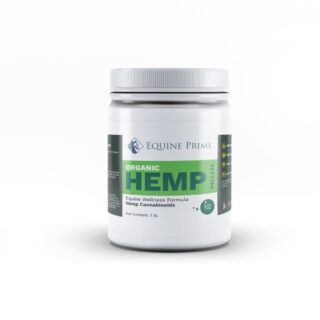 EQUINE PRIME ORGANIC HEMP PELLETS 1LB
Original price was: $50.00.$40.00Current price is: $40.00.
EQUINE PRIME ORGANIC HEMP PELLETS 1LB
Original price was: $50.00.$40.00Current price is: $40.00.
Reviews
There are no reviews yet.